
How to Support Your Partner

How to Support Your Partner Through IVF and Fertility Treatments
Fertility treatment is a shared journey that can bring excitement, uncertainty, and a range of emotions. When one partner is physically undergoing treatment, the other often looks for ways to offer meaningful support. Understanding how to be present — both emotionally and practically — can make the process smoother for both of you.
Listen Without Trying to “Fix” It
Emotional support is foundational. Many partners instinctively want to solve problems, but in fertility care, listening is often the most powerful thing you can do. Give your partner space to share how they feel and acknowledge their experience without trying to change it.
Share the Load
Support can be practical, too. Offer to help with injection prep, scheduling, or communication with the clinic. Managing details like medication reminders or tracking appointments shows that you’re equally invested in the process.

A Look at Shared Treatment Responsibilities
Communicate Openly
Fertility treatment often adds new layers of stress — from physical changes to emotional ups and downs. Set regular check-ins to talk openly about what’s going well and what’s difficult. Consistent, honest communication helps both partners stay connected and avoid misunderstandings.
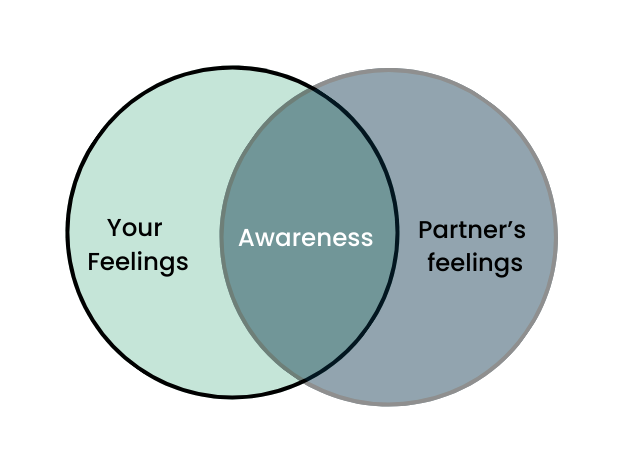
Where Your Feelings and Theirs Connect
Protect Time for Joy and Connection
Treatment schedules can feel all-consuming. Plan intentional breaks from fertility talk — time for shared activities, rest, or laughter. Maintaining normal routines helps restore balance and strengthen your relationship.

A Healthy Mix During Fertility Care
Seek Support Together
Professional and community support can make a significant difference. Consider a fertility counselor, support group, or educational session together. Having shared resources strengthens communication and provides reassurance during each step of the process.
Closing Thought:
Every fertility journey looks different, but being an active, compassionate partner can make the experience more manageable — and deeply unifying. Support doesn’t have to be perfect; it just has to be genuine and consistent.